


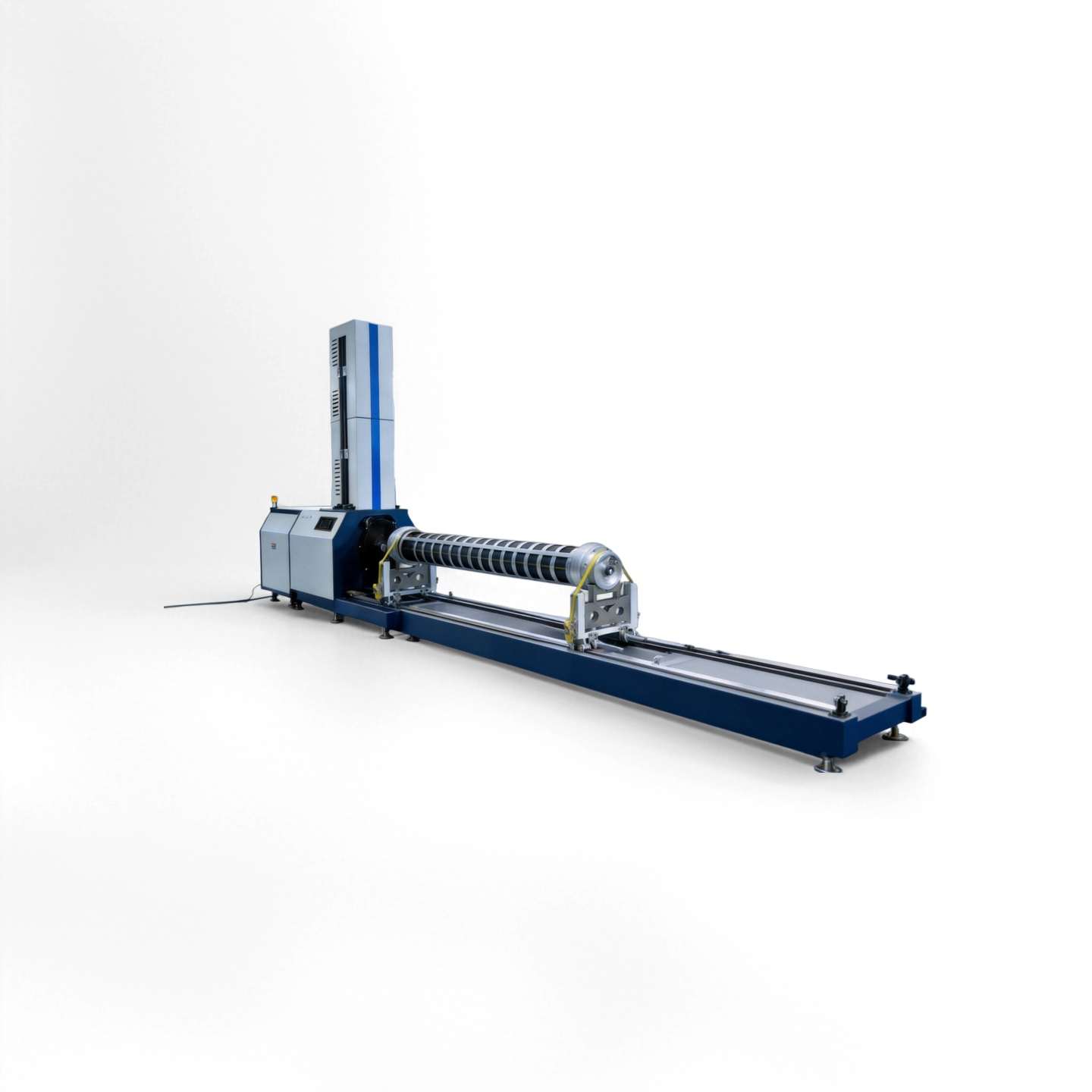
RCP Rapid Crack Propagation
Model: RCP315/500
Applicable pipe outer diameter: Φ63mm-Φ315mm;Φ63mm-Φ500mm
Pressure range: ≤2.5 MPa
Striker blade release: Pneumatic
Pneumatic energy storage: Motor-driven
Speed measurement: 9)Independent measurement,serial communication interface
Security protection: IP55
Impact speed of strike blade: 5m/s-20m/s, at the step of 0.5/s
Speed accuracy: ±0.5m/s
Pressure medium: Nitrogen (equipped by user)
Standards: GB/T 19280,ISO 13477
Features
Rational structure and precise impact velocity.The base unit is equipped with an energy storage mechanism that converts elastic potential energy into kinetic energy, enabling a controllable impact striker velocity within the range of 1 m/s to 20 m/s.
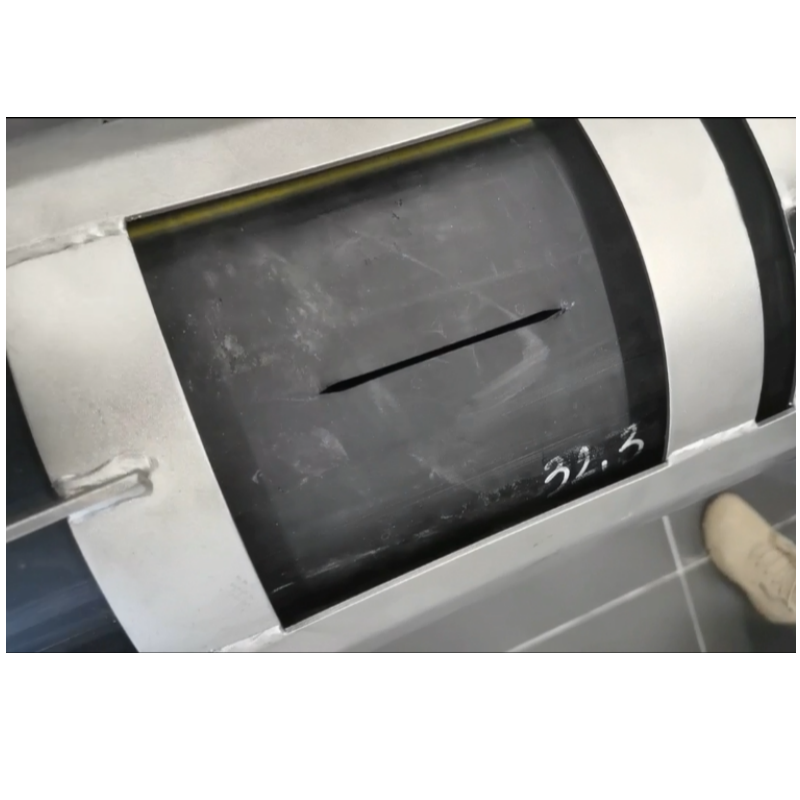
An industrial control terminal has been integrated, featuring a color touchscreen display that provides the operator with critical test data, including specimen preconditioning time, current internal pipe pressure, impact striker velocity, crack length, and test temperature.
Rapid pressurization and precise pressure control.For pipes ranging from DN63 to DN500, the specified test pressure can be achieved within 30 seconds.
The system employs a modular design, allowing for straightforward upgrades and expansion to accommodate pipes of varying diameters and SDRs.
The high-rigidity frame enhances the system's structural integrity and load-bearing capacity.Multiple dampers incorporated into the frame effectively absorb the impact force from the high-speed striker, ensuring all component connections remain secure and undamaged after repeated testing cycles.
Highly efficient and reliable energy storage system.The system incorporates a high-rate energy storage unit and a striker lifting mechanism, which can be securely locked or rapidly released to initiate the test.
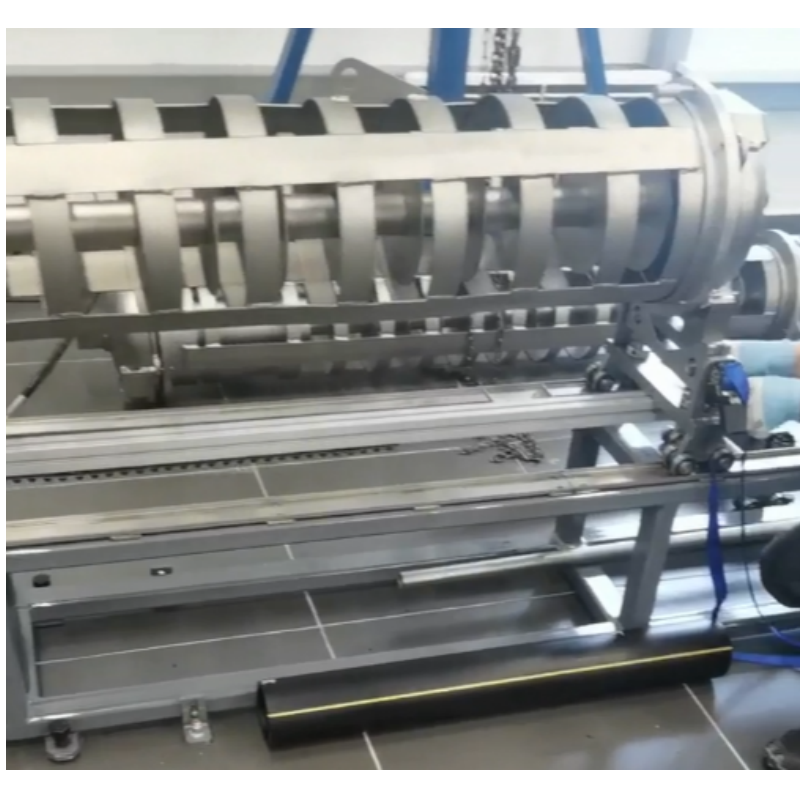
Easily adjustable supports and an intuitive assembly and positioning systemwith quick-release connections significantly reduce specimen setup time and have proven reliable and efficient in handling various sample sizes.
Automatic safety interlock system.This system automatically verifies the correct positioning of the test specimen and the impact blade. This prevents collision between the specimen assembly and the blade, and ensures the blade is not released unless the specimen is in the required position for the test.
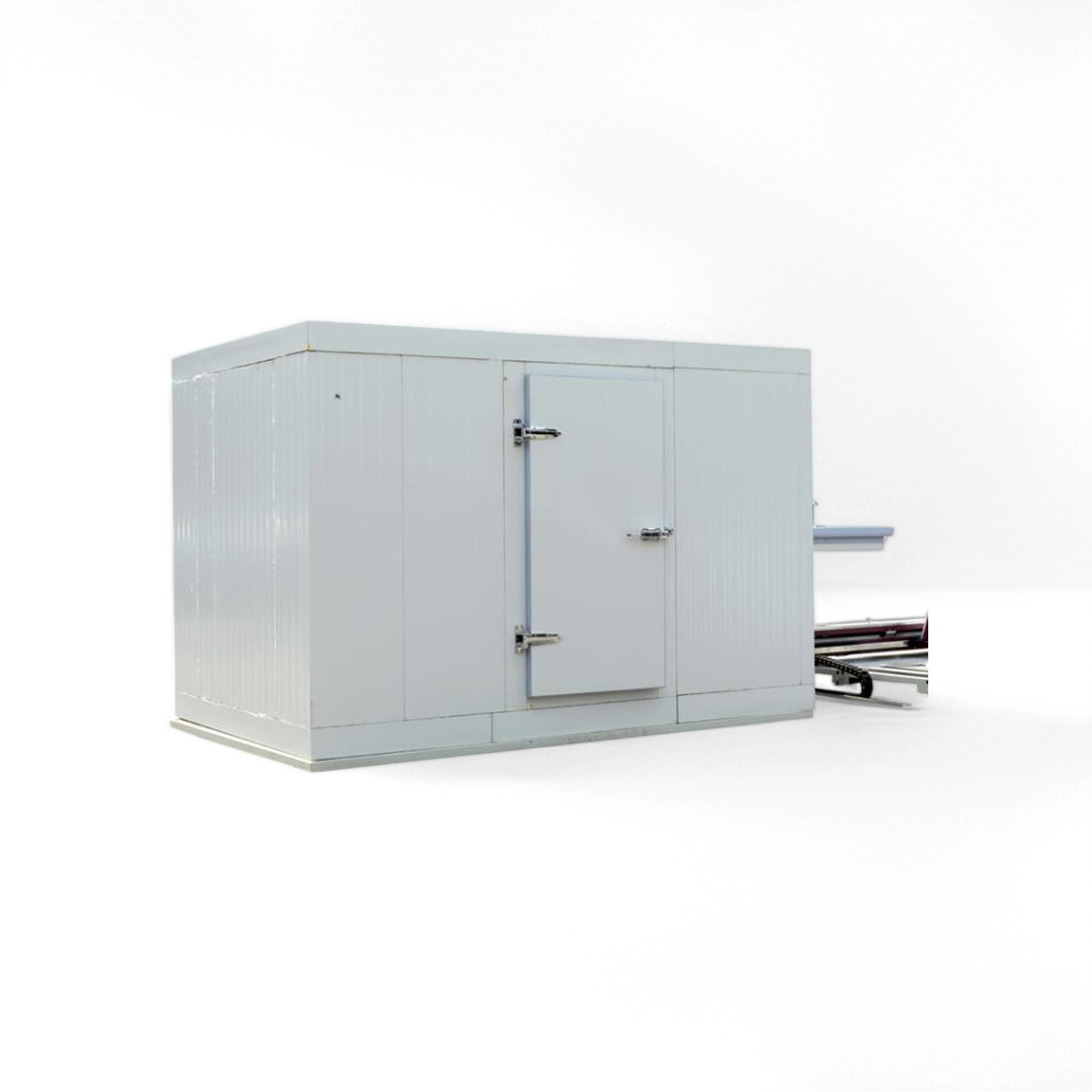
Automated specimen transfer doors.To optimize workflow efficiency, the test assembly can enter and exit the temperature conditioning chamber through pneumatically operated doors.
High-efficiency ultra-low temperature conditioning.The system can achieve a temperature of -30°C within 10 minutes and can process multiple groups of specimens simultaneously. Temperature control and regulation are fully automated.
Independent specimen transport rails for cooling stations.The unique body seal design prevents freezing between the sealing strip and the housing, ensuring reliable operation at low temperatures.
An excellent thermal insulation systemcontributes to enhanced operational safety and reduced energy consumption.
Multiple safety and protection systemsare in place, including emergency stop functions and an alarm system to ensure operator safety.
| Delivery time | Certificate | Whether customization is accepted | MOQ | Packaging information |
| 90-120 days | CE | Yes | 1set | 5-10 pcs |
FAQ
1. What are the main components of the RCP test machine?
The RCP test machine mainly consists of the following four parts:
Impact test mainframe (including energy storage device and impact mechanism);
Specimen transfer system (used to rapidly move the specimen between the freezing chamber and the impact test mainframe within the specified time);
Low-temperature freezing chamber (used for specimen temperature conditioning);
Dedicated end seals (provided according to the pipe diameter specifications).
2. How to select the appropriate RCP test machine?
Selection is primarily determined by the maximum pipe diameter of the test specimens. The following factors should be considered:
The frame size of the impact test mainframe must accommodate the maximum outer diameter of the pipe. Common specifications are up to DN315 or up to DN500;
The volume of the low-temperature freezing chamber must meet the placement requirements for specimens of the corresponding diameter;
The production pipe diameter range and future expansion needs should also be taken into account.
It is recommended that you contact our customer service for professional selection advice based on your actual pipe diameter requirements.
3. What is the price of the RCP test machine?
The equipment price is influenced by multiple factors, mainly including:
Impact mainframe specifications (maximum applicable pipe diameter) and the number of test end seals;
Low-temperature freezing chamber volume and refrigeration requirements;
Transportation distance and shipping method;
Whether on-site installation and commissioning services are included.
Since each machine is custom-built according to customer requirements, the specific price will be provided by our customer service team after discussion to offer a tailored quotation.
4. Can the low-temperature freezing chamber be purchased or manufactured locally?
Yes. If there is a qualified professional cold storage manufacturer in your region, we can provide design drawings for the freezing chamber, allowing you to procure or manufacture it locally. This approach can effectively reduce transportation costs. If we supply the chamber, it will be shipped in a modular design and assembled on-site at the user's facility.
5. Is there a test operation video available for reference?
Yes. If you would like to watch the RCP test machine operation demonstration video, please contact our customer service to request it, and we will provide it promptly.
Product Inquiry