


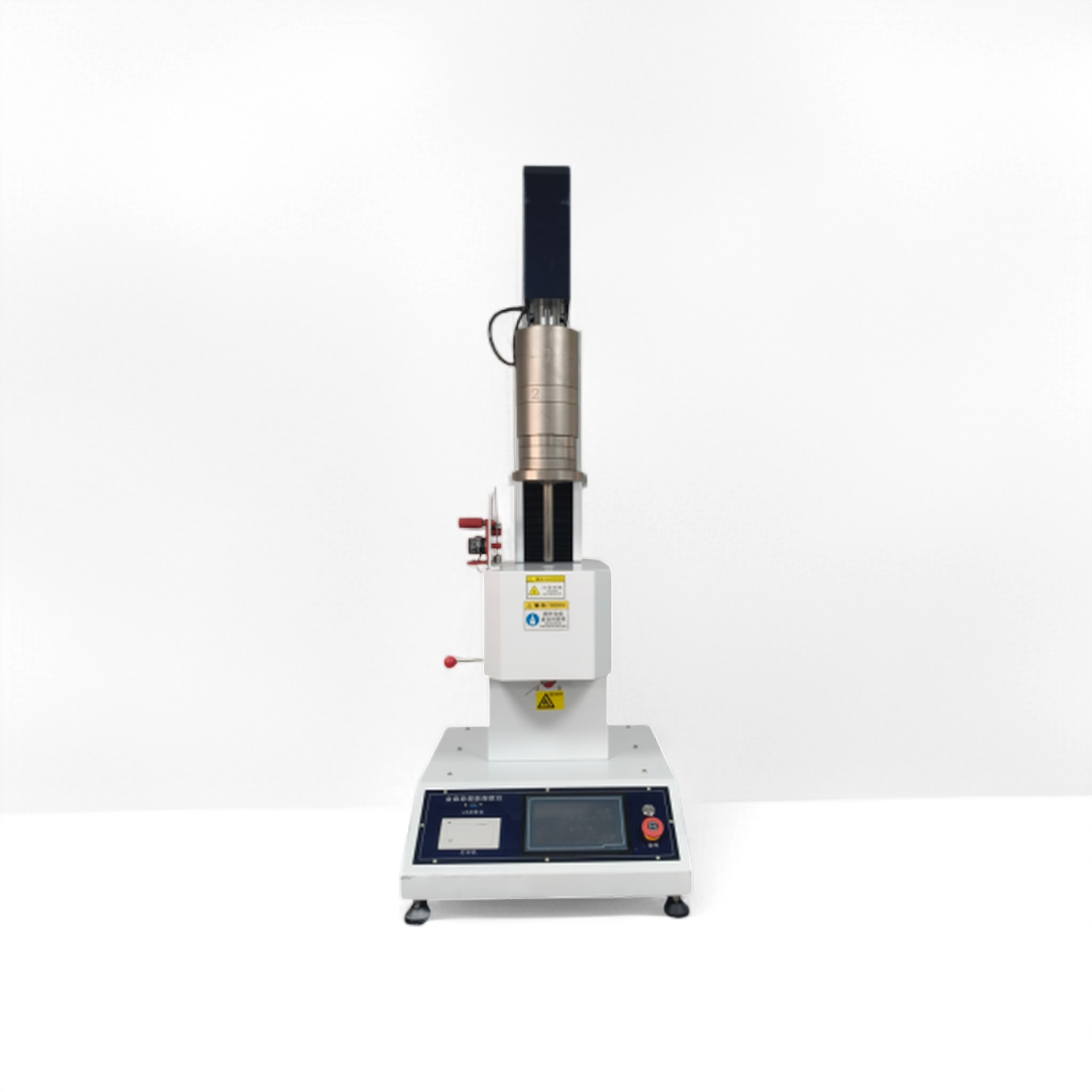
Automatic Extrusion Plastometer
Model: SL-MF41
Method: MFR and MVR
Measuring Range: MFR:0.1~150g/10 min MVR:50~5000cm³/10 min
Control Type: 7 in Touch screen
Language: English and Chinese
Extrudate Cutting: Automatic
Timing Accuracy: 0.001S
Temperature Range: 100~450℃
Temperature Recovery Time: ≤4min
Loading Method: Auto.
Temperature Maintenance Accuracy: 0.2℃
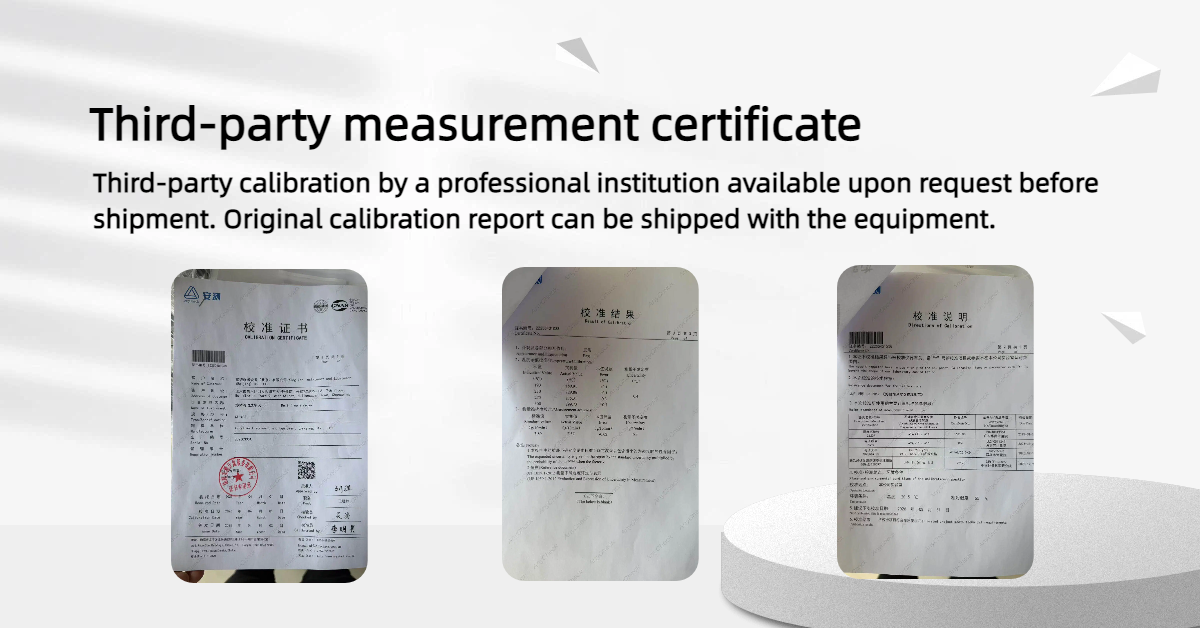
Power Supply: (220-15%~220+10%)VAC, 50Hz, 0.5kVA
Standards: ISO 1133, ASTM D1238,GB/T6111 and GOST 11645
Features:
With automatic weight loading function.
High Accuracy and Stability: Ensures reliable temperature readings.
Advanced PID Control: For precise temperature management.
Real-Time Temperature Display: With protective and prompt functions.
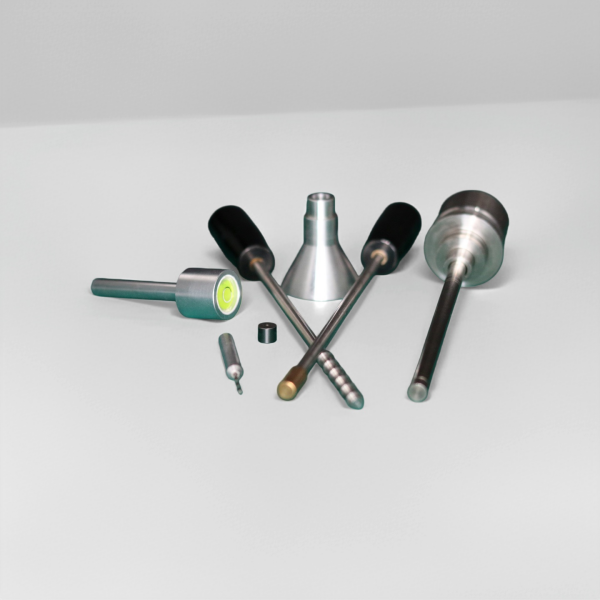
Included Accessories: Devices for loading and cleaning are provided.
Data Management: Test data can be directly viewed and printed using a microprinter.
FAQ
1.What is the difference between the automatic weight loading function and the motorized weight loading function?
Automatic weight loading function: During the test setup process, the required weight is preset. During the test,
the machine automatically loads the corresponding weight without any manual intervention. It is fully automated
and features one-touch operation.
Motorized weight loading function: The operator must manually press the loading button, and then the weight tray
performs the loading action.
2. What is a Melt Flow Rate Tester?
The Melt Flow Rate Tester (also referred to as a Melt Flow Index Tester) is a specialized instrument
used to determine the flow characteristics of thermoplastic materials in the molten state. It measures
the mass (MFR) or volume (MVR) of melt passing through a standardized die over a period of 10 minutes
under specified temperature and load conditions, providing essential data for material rheological evaluation.
3. What is the difference between MFR and MVR?
- MFR (Mass Flow Rate) – Determined by weighing the extrudate collected over a set time, expressed in g/10 min.
- MVR (Volume Flow Rate) – Determined by recording the piston displacement over time, or the time required for
the piston to travel a fixed distance, expressed in cm³/10 min.
The two values are interconvertible when the melt density of the material at the test temperature is known.
4. What standards does the tester comply with?
The instrument conforms to major international and national standards, including:
- GB/T 3682.1-2018 (China)
- ISO 1133:2011 (International)
- ASTM D1238-2013 (USA)
5. Why do test results sometimes vary significantly (by several times)?
Significant data scatter is often observed with powder materials and is typically caused by thermal degradation or
cross-linking during testing. Adding an appropriate stabilizer (antioxidant) can effectively resolve this issue.
6. What could cause unusually low test values?
Common causes include:
- Increased friction due to coke deposits on the piston or guide sleeve, hindering smooth piston movement.
- Misalignment of the guide sleeve, causing the piston rod to tilt.
- Incomplete cleaning of the barrel or die, leaving residual material.
Addressing these factors is critical to maintaining measurement accuracy.
7. What daily maintenance is recommended?
- Barrel and die – Clean while still hot after each test to prevent residue from hardening and becoming difficult to remove.
- Weights – Inspect regularly for oil or rust; keep surfaces clean and free from contamination.
- Heating system – Remove dust from the heating unit periodically to ensure proper heat dissipation.
- Long-term storage – Thoroughly clean all parts, apply anti-rust oil, and store in a dry environment. Before resuming use,
verify instrument accuracy with standard reference materials.
8. What are the advantages of the 7-inch touchscreen?
The 7-inch full-color touchscreen offers an intuitive user interface with responsive touch control and straightforward navigation.
It supports dual-language operation (Chinese/English), making it particularly user-friendly for operators new to this type of equipment.
9. What is the temperature control accuracy?
The instrument offers a temperature range from ambient to 450°C, with a control accuracy of ±0.2°C, ensuring high precision and
excellent repeatability in test results.
10. What materials can be tested?
The tester is suitable for a wide variety of thermoplastics, including but not limited to:
- Polyethylene (PE) and Polypropylene (PP)
- ABS resins and Polycarbonate (PC)
- Nylon, fluoroplastics, and other engineering plastics
- Rubber and related petrochemical products
11. How can I ensure the accuracy of test results?
To maintain reliable and repeatable results:
- Calibrate temperature and displacement sensors regularly.
- Clean the barrel and die thoroughly before each test.
- Perform routine verification using certified reference materials.
- Ensure accurate weight loading.
- Strictly follow the test conditions prescribed in the applicable standard.
Lead time | Certificate
| Customization Options
| MOQ |
Within 20 working days
| CE
| Special customization accepted | 1 unit |
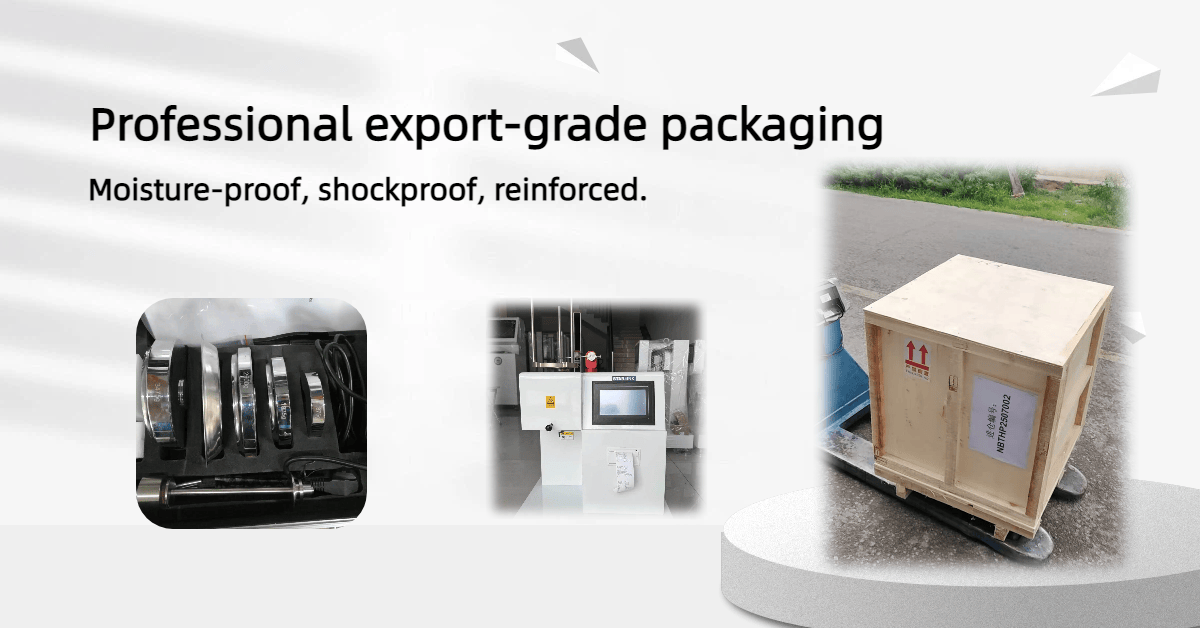
Packing Information:
Quantity: 1 pieces, Dimensions/Gross weight : 600*650*1500mm /170kg
Product Inquiry